
Bagged or Bulk Mulch? How to Choose the Best Mulch for Your Garden?
When it comes to gardening, one of the easiest decisions to overthink is mulch. Bagged or bulk, does it really matter? It does, and the right answer depends on the size of your beds, how much time you have, and how much heavy lifting you’re up for.
Mulch is one of the most useful things you can add to a garden. A good layer holds in moisture, chokes out weeks before they get started, and keeps soil temperature steady through both hot and cold snaps. The question isn’t whether you need mulch; it’s which kind makes sense for your garden. I’ve bought both bagged and bulk more than I can count, so here’s what I’ve learned, including when to actually put it down for the best results.

On my blog Living Large in A Small House, I may sometimes use affiliate links, which means a small commission is earned if you make a purchase via the link. The price will be the same whether you use the affiliate link or go directly to the vendor’s website using a non-affiliate link. You can find my full Disclosure Policy HERE

Quick answer: if you have a small garden, tight storage, or require an exact, pre-measured amount, buy bagged mulch. If you have several beds to cover or a bigger project, order bulk mulch by the cubic yard. You’ll usually save money and skip a pile of plastic bags.
Understanding Mulch
Mulch is a layer of material spread on the top of the soil to hold in moisture, suppress weeds, and regulate soil temperature. As it breaks down, it also improves soil fertility and gives garden beds a clean, finished look.
There are two ways to buy it: bagged, which is pre-packaged and sold by the bag, or bulk, which is sold and delivered by the cubic yard. Both do the same job in your garden; the difference is in the buying experience, not the mulch itself. Which one makes sense for you comes down to your garden size, your storage space, and your budget, which is exactly what we’ll walk through below.

A sturdy wheelbarrow like this one makes moving mulch, bagged or bulk, so much easier, and it’s one of the tools I reach for every single spring and fall. For more of what’s in my garden toolkit, see 5 Tips from the Garden Bench.
Bagged Mulch: Pros and Cons

Convenience of Bagged Mulch
When it comes to convenience, bagged mulch is the clear winner. Because it comes in individual bags, it is easy to transport, store, and spread. Pick up a few bags at your local garden center or home improvement store, load them into your car, and take them home. When you’re ready, just tear open the bags and spread the mulch around your garden beds. This is especially useful if you have a small garden or limited storage space.
Quality and Variety
One of the advantages of bagged mulch is the sheer variety. You can choose from pin bark, cedar, cypress, hardwood, straw, or even recycled plastic, in a range of colors and textures. Bagged mulch is also usually screened and sterilized, meaning it’s free of weeds, insects, and disease, which can save you time and headaches down the road.
Cost
The main downside of bagged mulch is its cost. It is generally more expensive than bulk, since you’re paying for packaging and transportation, and prices vary depending on the type and brand. As a rough guide, a 2-cubic-foot bag typically runs $4-$8, while bulk mulch runs closer to $25-$50 per cubic yard, delivered (prices vary by region and mulch type). Bagged mulch tends to be worth the premium if you only need a small amount, or if you want to try a few different types without committing to a full yard.
In short: bagged mulch is a convenient , versatile option for gardeners who would like to save time and have more choices; just weigh that against the higher cost per yard.
Shop My Favorites
What I Use In My Garden
Bulk Mulch: Pros and Cons

Buying in bulk can be a great option for a lot of gardeners. Here’s what to weigh:
Economical Choice
The biggest advantage of buying bulk mulch is the cost savings. It’s usually cheaper per cubic yard than buying it in bags, which adds up fast if you have a lot of ground to cover. I also like supporting local businesses this way. Most of our local mulch suppliers are in the tree-trimming and land clearing business, and they can deliver a full dump-truck load right into your driveway. I trust them for quality, and I like keeping that money in the local economy.
Sustainability Factor
Bulk mulch is also a more sustainable option. Bagged mulch means more plastic waste. Those bags don’t break down quickly, and buying by the yard cuts that out of the equation entirely. That’s reason enough for me to reach for bulk whenever a project is big enough to justify a delivery.
Quality Control
With bagged mulch, you’re trusting the manufacturer for quality. With bulk, you can actually see and inspect the pile before it’s dumped, so you know exactly what you’re getting. The trade-off: you’ll need somewhere to store the pile until you use it, and a way to get it. A pickup truck or a delivery fee factors into the budget.
If you have a large area to cover and want to save money, bulk mulch is hard to beat. Just make sure you have the space to store it and a plan for getting it from the driveway to your beds. Another consideration is you should plan to cover it at night just in case it rains.
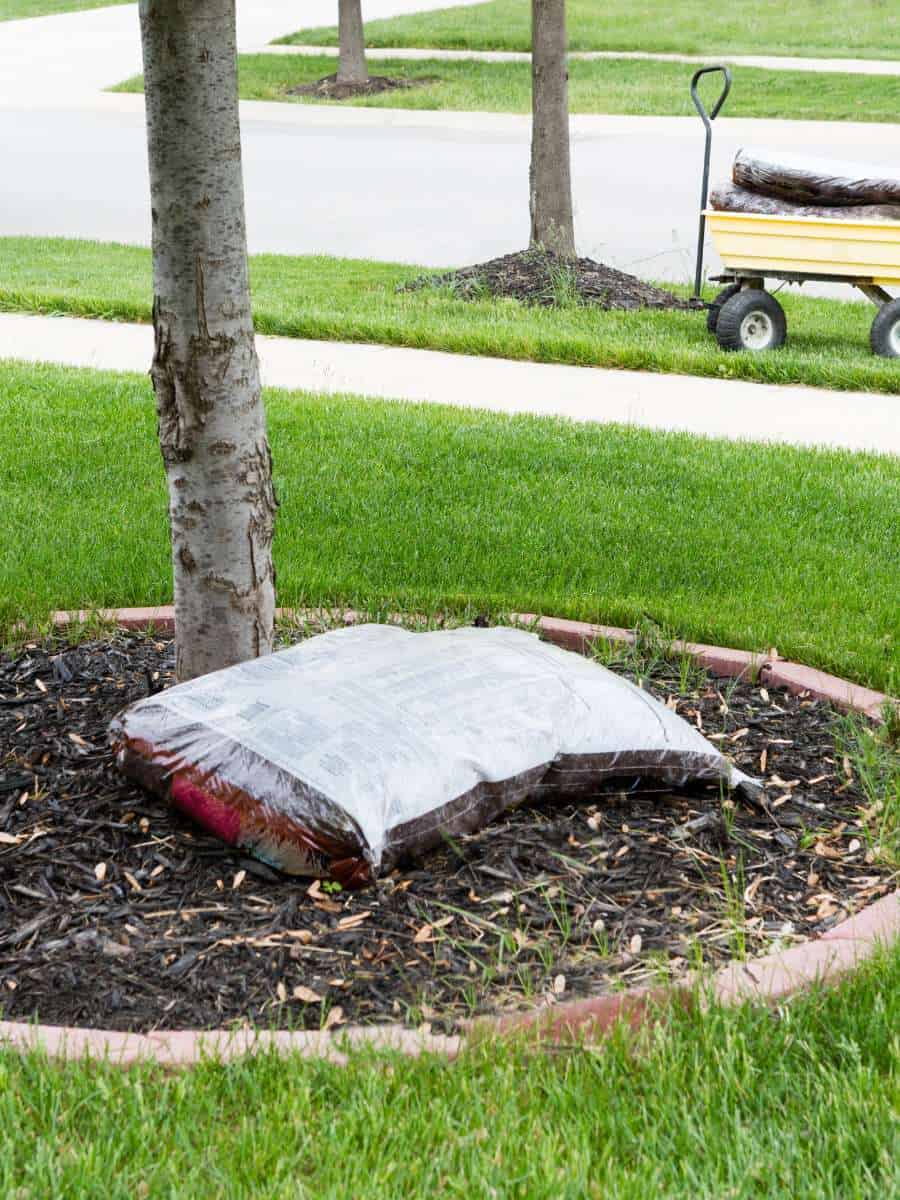
Types of Mulch: What’s Bagged, What’s Bulk-Only
Bagged vs. bulk isn’t only about packaging; it also affects which materials you can actually get. Some mulches sit on the shelf at every garden center; others you’ll only find by calling a local supplier. Here’s quick rundown.
Usually Available Both Ways
Hardwood, cedar, pine bark, and cypress are the mulches you’ll see most often, and most garden centers and home improvement stores carry them both bagged and in bulk. Cedar and cypress tend to cost more per yard either way, since they resist rot and hold their color longer than plain hardwood.
Usually Bagged Only
Rubber mulch (popular under playground equipment since it doesn’t break down) and pine straw are almost always sold in bags, even at stores that sell bulk wood mulch. They’re lighter and lower-volume than what most bulk suppliers deal in.
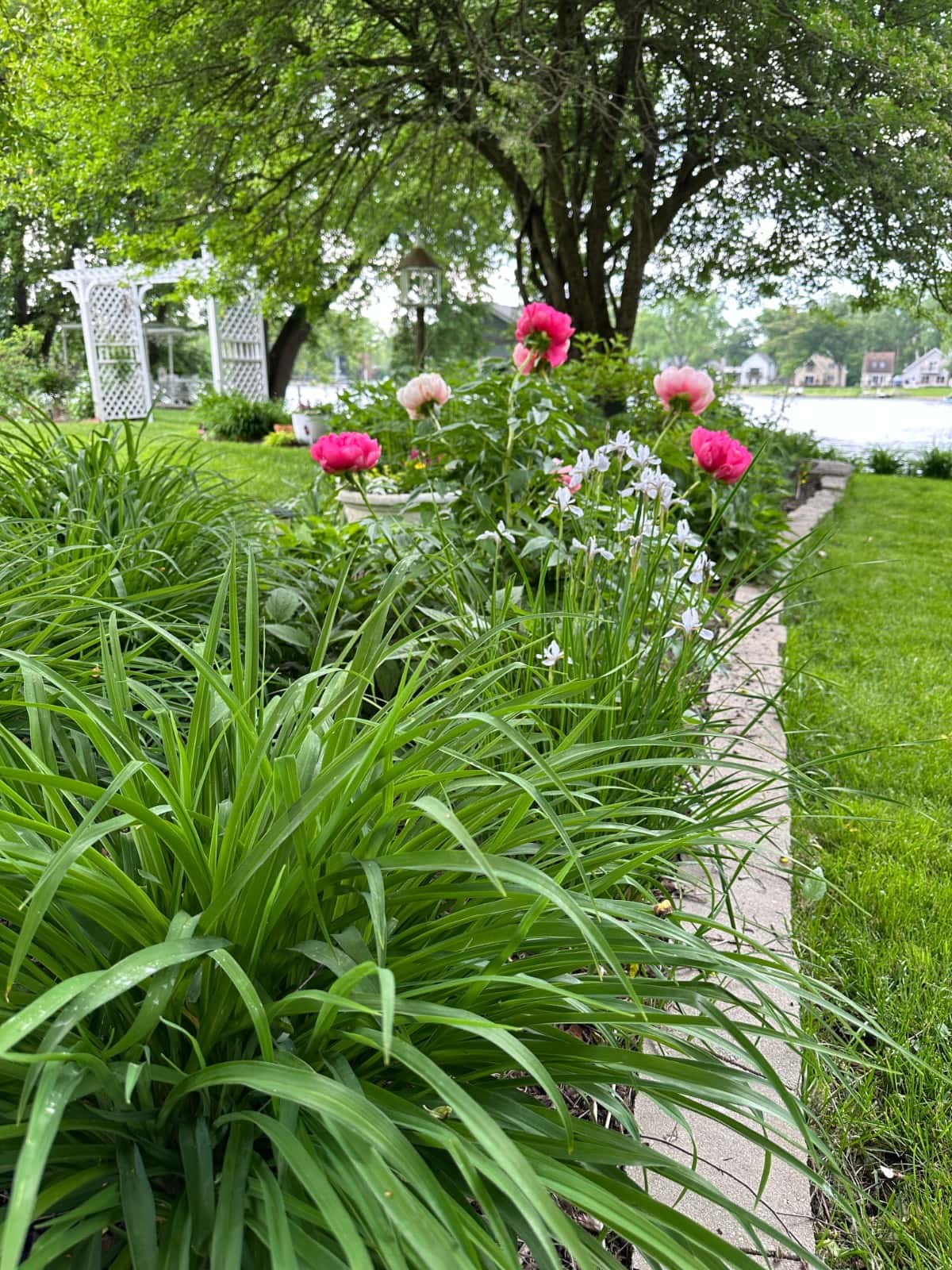
Usually Bulk Only: Leaf Mulch
This is the one most people never think to ask about. Leaf mulch is made from shredded, aged leaves, usually a byproduct of local tree-trimming or landscaping companies, the same suppliers who deliver bulk wood mulch by the truckload. It’s rarely sold in bags because it isn’t cost-effective to package and ship that way, so if you want it, plan on calling a local supplier rather than checking the shelves at a big box store.
Leaf mulch is what we use exclusively in the gardens of the Small House. In my opinion, it is the most natural-looking type of mulch. In addition to its natural look, it breaks down and feeds the soil in a way wood mulch never really does. It holds moisture beautifully, and it’s often one of the cheaper bulk options in my area since suppliers are just moving along what they already have on hand. The trade-off is that it breaks down faster than wood, so you’ll be topping it off more frequently, and it can mat down into a soggy layer if you don’t get shredded leaf mulch. Ask your supplier whether theirs is shredded and aged before you order a truckload.
How Many Bags of Mulch Are in a Yard?
One cubic yard of mulch equals 27 cubic feet, which makes it easy to compare bagged and bulk prices side by side. Here’s the quick math:
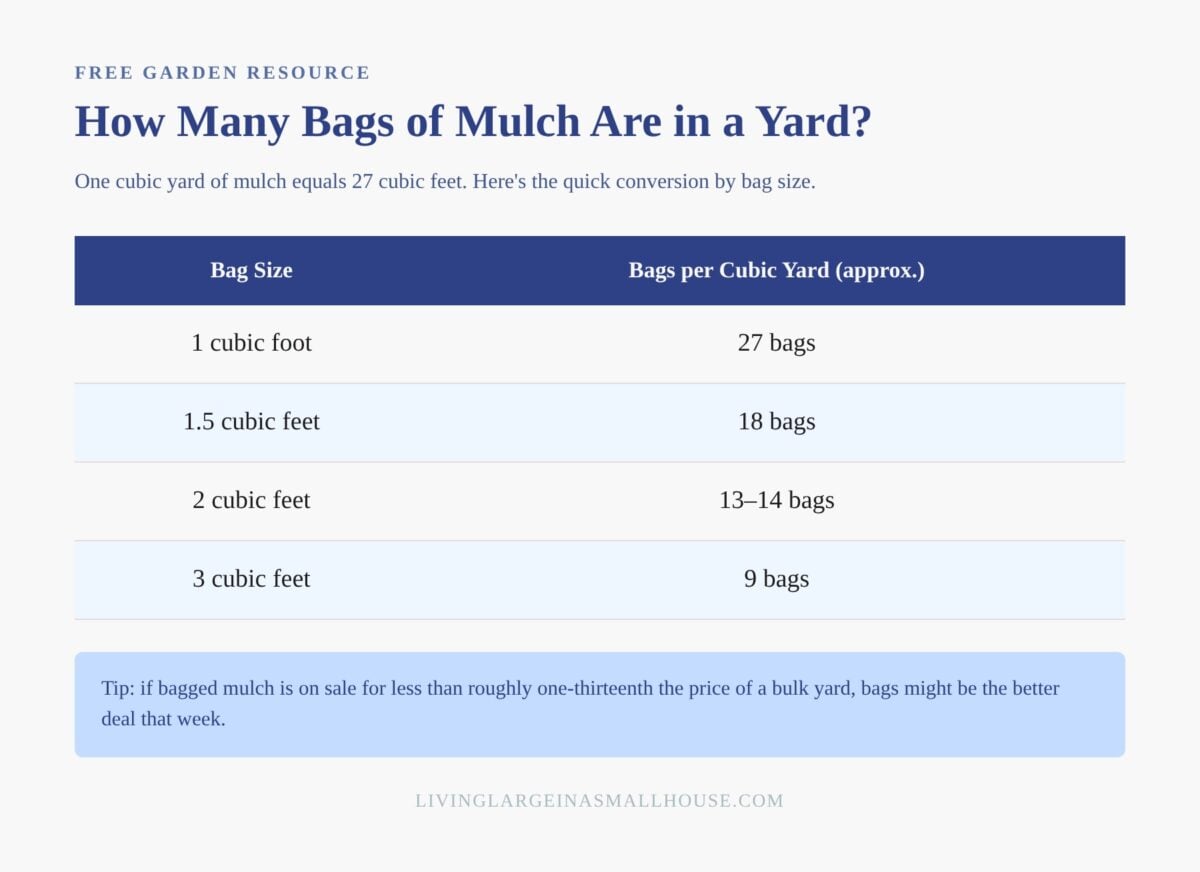
So if bagged mulch is on sale for less than roughly on-thirteenth of the price of a bulk yard, bags might actually be the better deal that week. It pays to do the math before you buy either way.
Mulch Coverage Calculator: How Much Do You Need?
Before you buy either kind, figure out how much mulch your beds actually need. Start with Length x Width = Square Footage for each bed, then use the chart below to see how many cubic yards that translates to at your desired depth. Most garden beds do best with a 2-3 inch layer. Any deeper and you risk smothering roots or holding to much moisture against the plant stems.
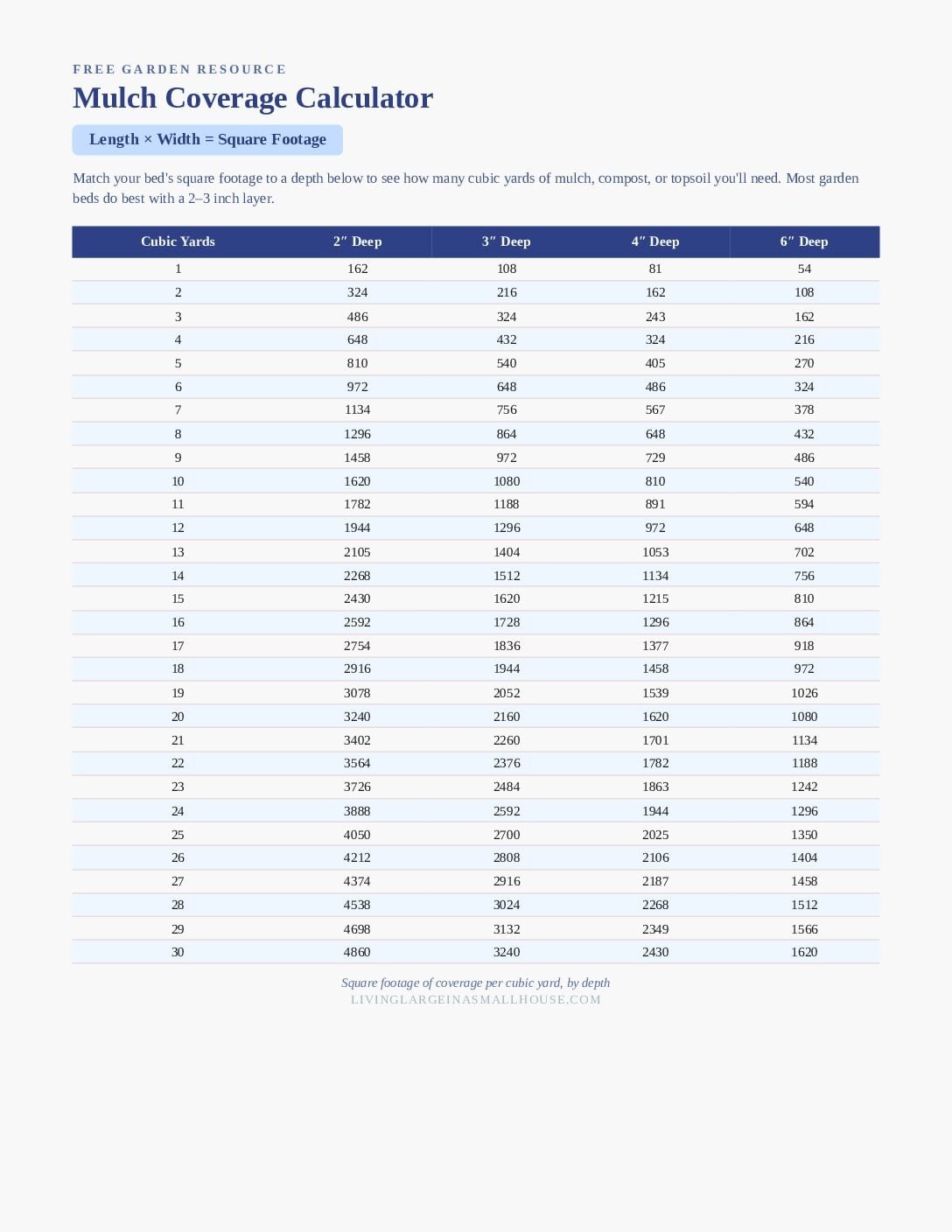
This same chart works whether you’re buying topsoil, compost, or mulch. It’s handy to bookmark for your next landscaping project, not just this one.
When to Mulch: The Best Time of Year

Mulch helps whenever you put it down, but there are two windows every year when it does the most good. Both fit naturally into garden chores that you’re probably already doing.
Late spring, after you’ve planted. Once your beds are planted and the soil has warmed up, a fresh layer of mulch locks in that spring moisture, keeps weeds from getting a foothold, and gives new plantings a neater, finished look. Hold off until after you’ve planted, though. If you mulch too early, it can keep the soil cooler than your seedlings might like. After I finish my spring garden cleanup, plant all of my seeds, seedlings, and annual flower plants, then I come in with my mulch. Around the first week in June here in Northern Illinois Zone 5b.
Late Fall, after you’ve cleaned up for the winter. Once you’ve cut back perennials, cleared spent annuals, and finished your fall garden tasks, a layer of mulch protects plant roots through winter’s freeze-thaw cycles and keeps beds tidy until spring. Wait until after the first light frost and before the ground fully freezes. I don’t always do this in the fall, but this year I added many new perennials and bulbs because of what we lost last spring in our flood. I will definitely be adding a layer of mulch to the beds.
If you only have time to mulch one season, I would say that spring is probably the time you would want to make sure you do it. But you can also choose the best time for you based on whichever season lines up with you having the time to do it.

Making the Right Choice: Bagged or Bulk Mulch
There’s no universally “right” answer between bagged and bulk mulch, just what’s right for your beds, your budget, and how much hauling you want to do.
My own rule of thumb: bagged for small, decorative beds I would like to finish in an afternoon; bulk for anything bigger where the per-yard savings and delivery truck make more sense than a car full of bags.

FAQs
Can you mix bagged and bulk mulch in the same garden?
Yes. A lot of gardeners, myself included, order bulk mulch for the beg beds and keep a few bags on hand for small spots, touch-ups, or areas a truck can’t easily reach. Just try to match the type and color so the beds look consistent.
Why should mulch stay pulled back from plant stems and tree trunks?
Piling mulch directly against stems and trunks (sometimes called a mulch volcano) traps moisture against the bark, which invites rot, disease, and pests. Leave a 3- to 6-inch gap around the base of trees and shrubs and keep it just shy of touching perennial crowns.
Does mulch attract bugs?
Any organic material breaks down and can attract some insects, but a properly applied layer of mulch isn’t a pest magnet. Keeping mulch pulled back from your house’s foundation and away from stems is the easiest way to avoid inviting anything unwanted closer than you’d like.
Does the best time to mulch change depending on your growing zone?
Yes. In colder zones like my Zone 5b, fall mulch goes down after the first hard frost but before the ground freezes solid, and spring mulch waits until the soil has warmed so you’re not trapping in the cold. In warmer zones (8 and up), fall isn’t really a mulching season at all; it’s more about refreshing mulch for moisture control through the growing season, with an extra layer added in late spring before summer heat peaks.
Can I mulch over last year’s mulch, or do I need to remove it first?
In most cases you can top it off. Rake the old layer to break up any mats, pull it back a few inches from stems and trunks, and add a fresh 1- to 2-inch layer on top. Full removal only makes sense if the total depth has built up past 3 to 4 inches, it’s matted into a water-repellent crust, or you’re switching to a different color or type of mulch.
Can you pay someone to deliver and spread mulch for you?
Yes, and it’s worth asking about if hauling and spreading isn’t something you want to take on yourself. A lot of the same local companies that deliver bulk mulch also offer installation. I use a landscaping service that brings my leaf mulch and spreads it as part of a visit that also covers edging and other garden cleanup, so my cost isn’t a clean per-yard number; a recent visit covering 7 cubic yards of leaf mulch plus edging and general chores ran about $1,400 total for everything. As a general benchmark for mulch alone (materials, labor, and delivery together), professional installation typically runs around $72 to $87 per cubic yard.
When is mulch cheapest to buy?
Watch for bagged mulch sales at garden centers and home improvement stores in early spring and again in fall; these are the two seasons when it moves the fastest, so retailers tend to discount it to clear inventory. Bulk suppliers’ pricing is more stable year-round, but calling around for a few quotes before a big order is always worth the ten minutes.
Final Thoughts
Whichever way you go, don’t overthink it too much; both bagged and bulk mulch will do right by your garden. Pick the option that fits your space, your budget, and how much time you want to spend hauling it around, and get those beds tucked in.
Peace and Love,





A great way to save this article is to save it to your Pinterest boards. You can find the pin button in the top right corner of the photo below. Also, don’t forget to follow me on Pinterest

Meet Me
My name is Lynn. I live in the suburbs of Chicago in a 1,300 sq. ft. home with my Handy husband, Keith.
I’m an open book about my life on my blog. You can find out more about me by visiting my “About Me” page.