
Garden Planning in January: How to Plan a Successful Zone 5b Garden
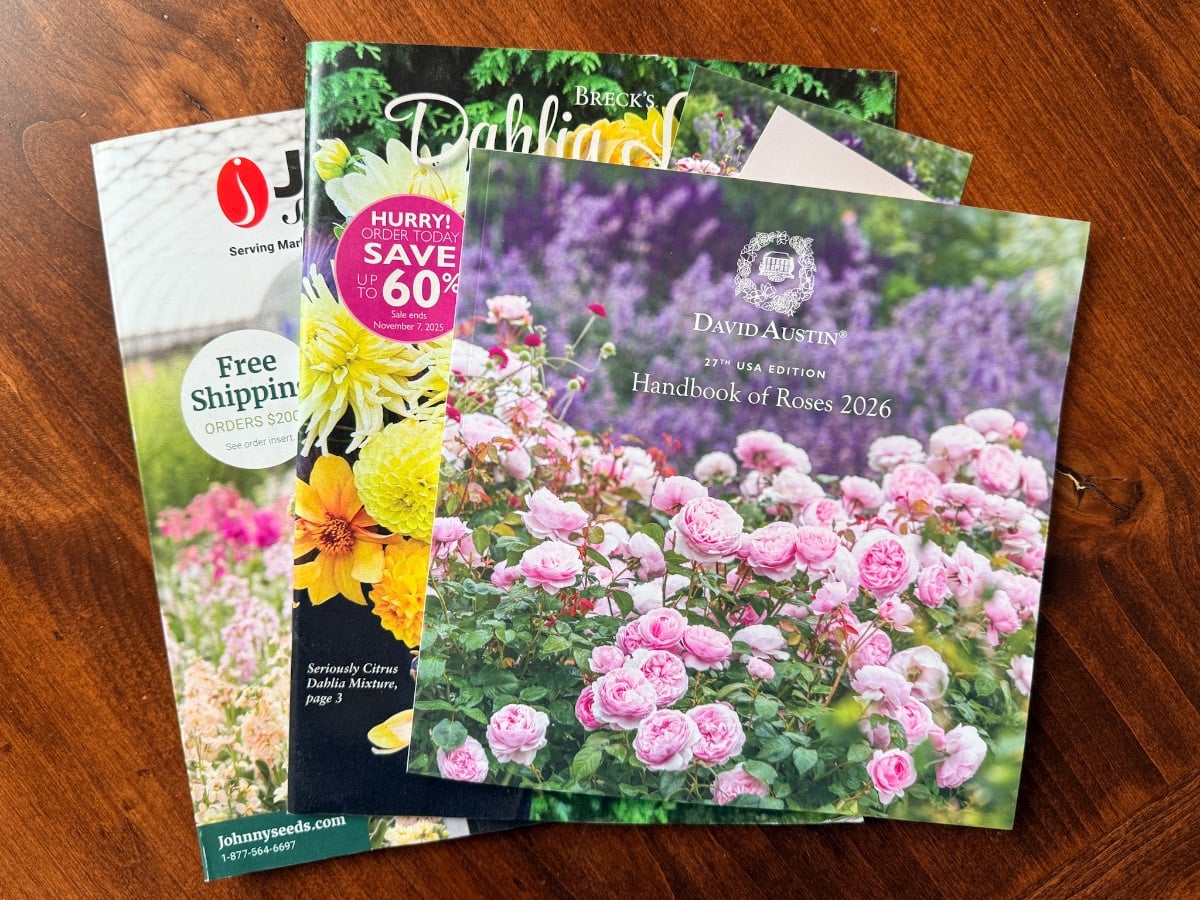
January is the best time to start planning a garden, especially in a Zone 5b climate. When the seed catalogs arrive and snow still covers the ground, the garden may look quiet, but this is when the most important work begins.
Garden planning in winter allows you to reflect on what worded, make thoughtful changes, and design a garden that fits both your space and your season.
After decades of gardening on a quarter-acre property in Zone 5b, I’ve learned that successful gardens aren’t rushed, they’re planned. January gives us the gift of time to do just that.
On my blog Living Large in A Small House, I may sometimes use affiliate links, which means a small commission is earned if you purchase via the link. The price will be the same whether you use the affiliate link or go directly to the vendor’s website using a non-affiliate link. You can find my full Disclosure Policy HERE
Why January is the Best Time to Plan a Zone 5b Garden
Planning while the garden is asleep allows you to:
- Reflect honestly on what worked (and what didn’t)
- Make changes without the pressure of planting deadlines
- Research plants, spacing, bloom times, and growing needs
- Avoid impulse buys once garden centers open
- Get started on the seeds that have long germination and growing requirements
Even with six inches of snow on the ground, I can already picture sweet peas climbing, sunflowers stretching tall, and zinnia filled baskets for arrangements in the house
How We Plan Our Garden: A Practical Garden Planning Method
“Handy” and I are old school when it comes to planing. We use graph paper, pencils, and a lot of erasers. We map out our outdoor spaces the same way we approach house projects: thoughtfully and with intention.
When planning beds, we always consider:
- Hours of sunlight
- Mature plant size
- Bloom Time and seasonal interest
- Water requirements and access
- Companion planting relationships
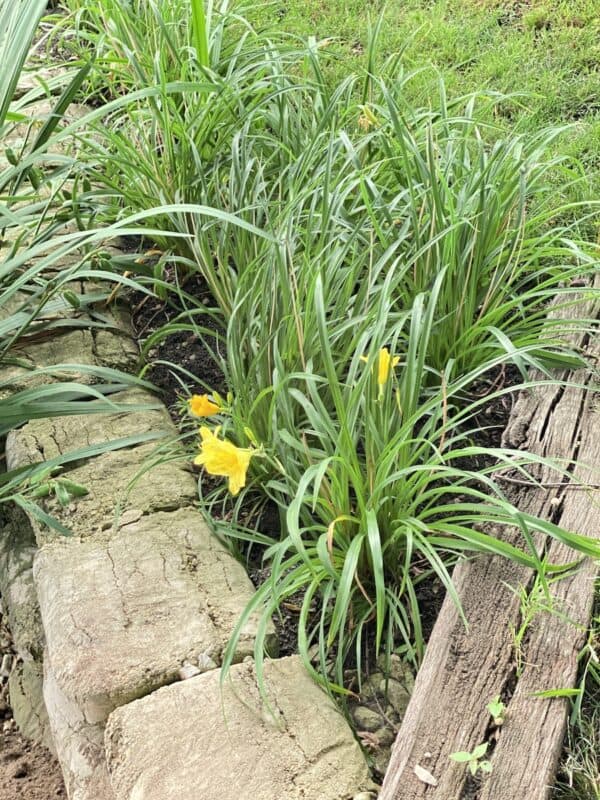
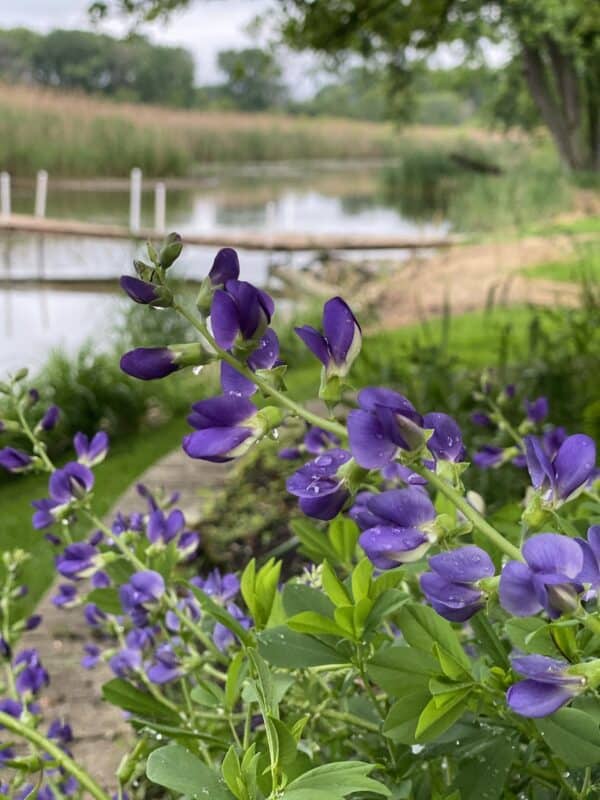
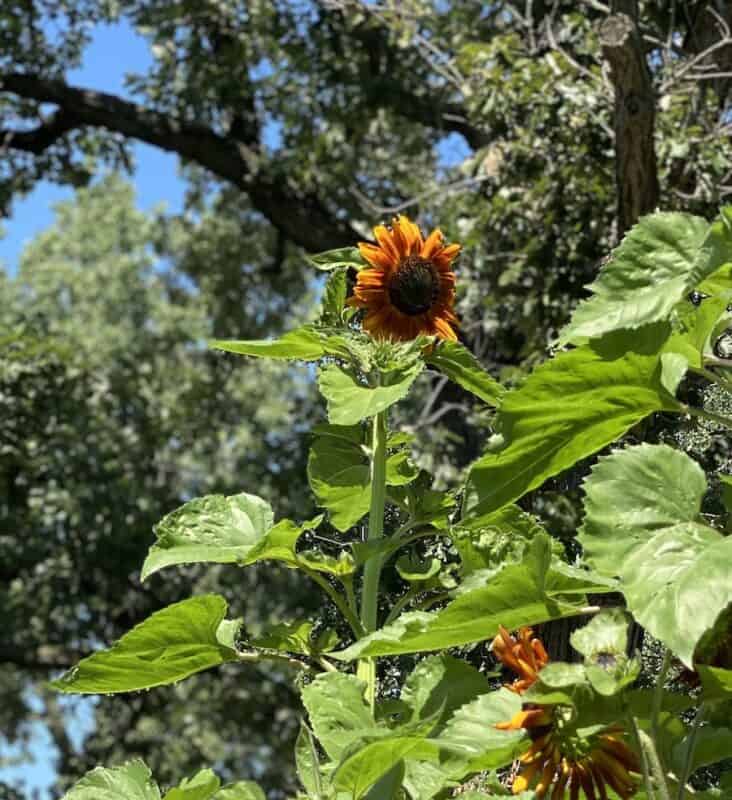
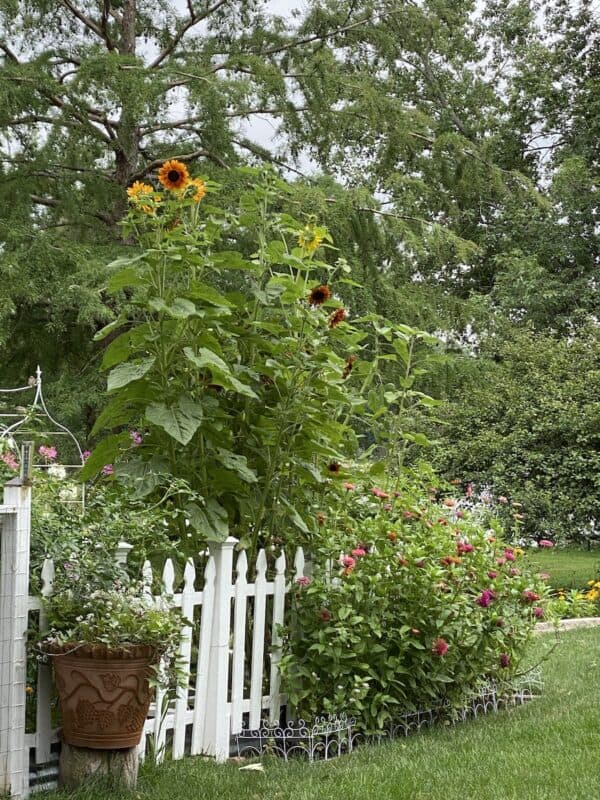
Over the years, I’ve learned with plants thrive together and which compete. This has made a noticeable difference in both flower and vegetable gardens.
We did hire a garden designer decades ago when we expanded from a few smaller beds into larger foundation gardens. That experience gave us a strong framework, and after 30+ years of gardening, we now feel confident adjusting and evolving our space ourselves. I have a post about what makes up a cottage garden. You can read about that HERE.
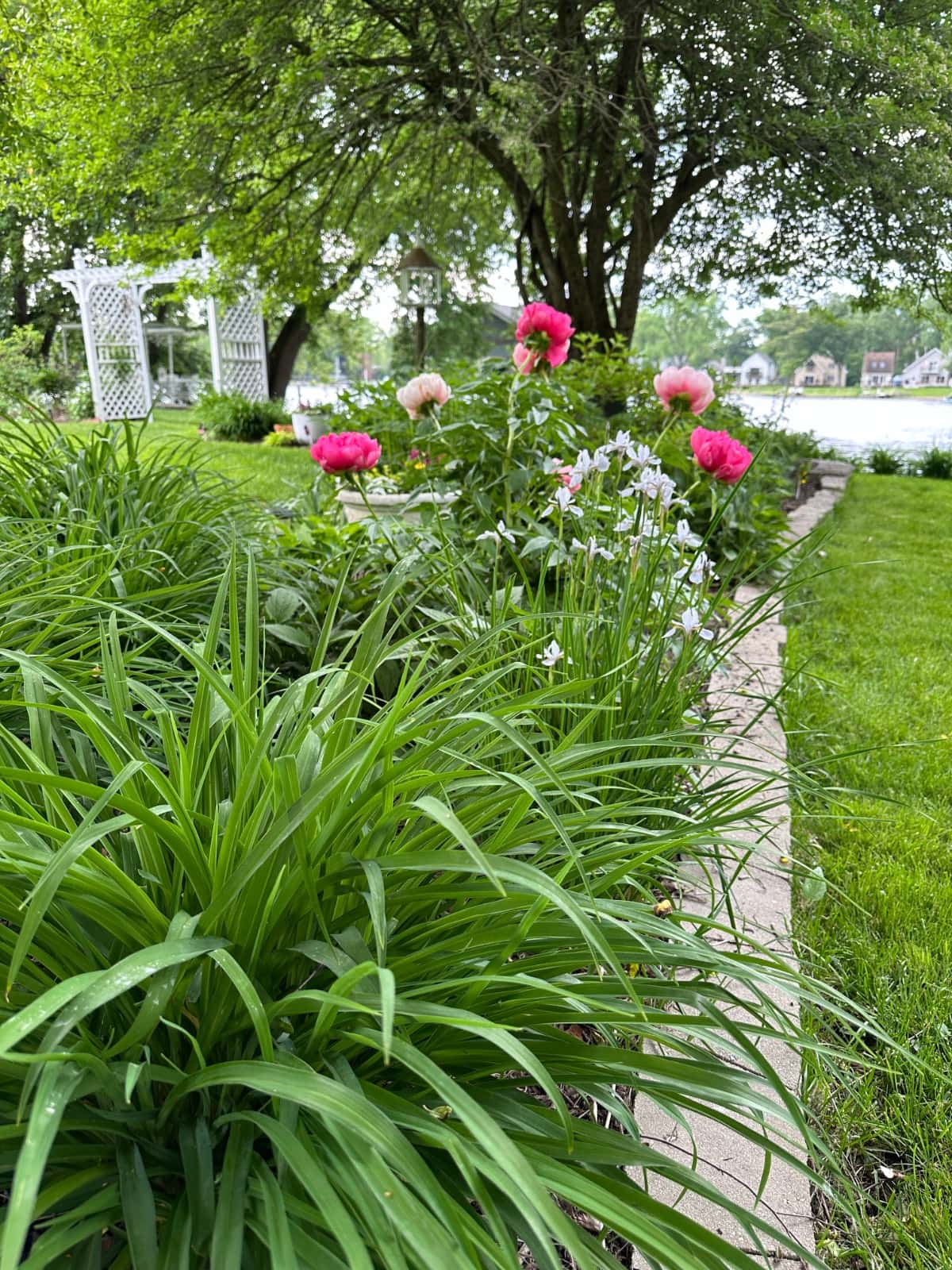
Understanding the Zone 5b Growing Season
Our average last frost date is May 15th, but experience has taught me to stay flexible. Some years I feel confident putting in plants a week before that date. But I also know that cold nights can linger, and I’ve covered plants more than once when spring surprised me.
A few zone-specific realities guide my planning:
- Warm-season plants like basil stay in the greenhouse until nights are consistently above 60° F
- We can usually harvest through mid-October, sometimes later if frost holds off
- Cool-season crops can book-end the growing season when planned carefully
- When choosing trees, shrubs, and perennials, be sure that they are appropriate for your growing zone.
Knowing your frost dates and hardiness zone is essential to having great gardens. You can find that information at the USDA.gov Hardiness Map Site HERE.
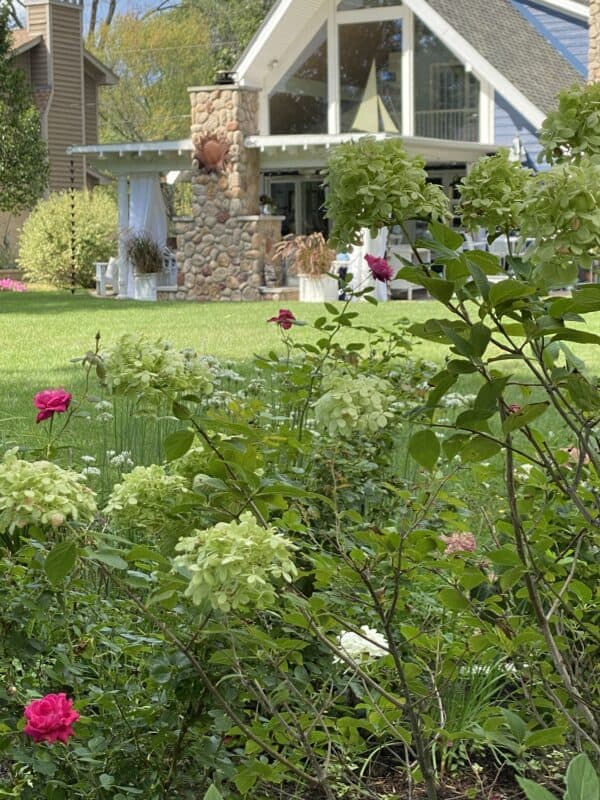
How My Garden Has Evolved on a Quarter-Acre of Property
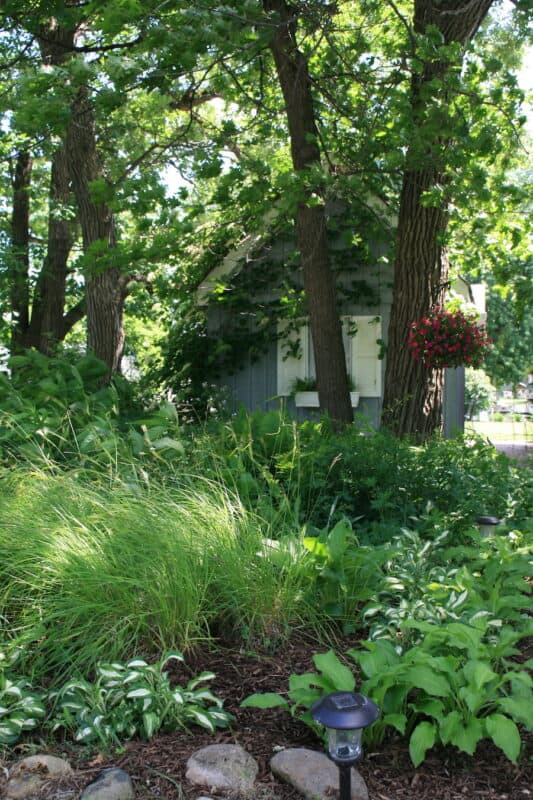
My gardens didn’t start out large. Originally, we had two kidney-shaped beds at opposite corners of the yard. Over time those beds connected, expanded and now wrap much of the property.
Different areas of the yard have very different conditions:
- The water-facing side get more sun and attention
- The street-facing side is shady, tree-filled, and largely allowed to grow wild
- Our soil ranges from sandy and well-drained to dense clay
We also have:
- A fenced vegetable garden
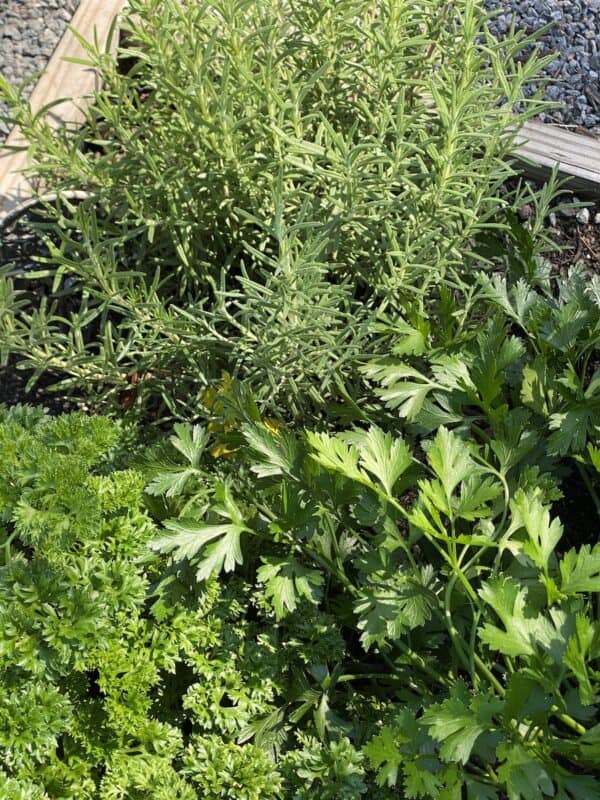
- A dedicated herb garden
- Also a cutting garden integrated into our raised beds in the vegetable garden
Every addition has come from observation and planning. It is a space that has evolved over time. I encourage every gardener to start small and add as confidence develops. I also encourage you to be honest with yourself about the amount of time you have to spend on your gardens. You do have to maintain your gardens and it’s a daily ritual.
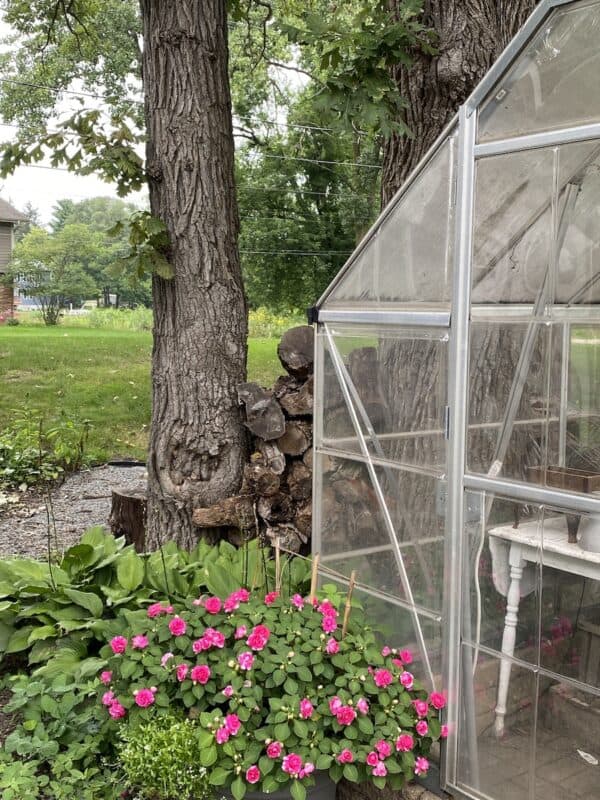
Vegetable Garden Planning: Crop Rotation, Soil Health & New Ideas
After battling tomato blight for years and having to give my soil a whole season break. I’m not keenly aware of how important crop rotation is, even in a backyard vegetable garden.
As soon as the ground thaws out I will take some soil from my vegetable garden, perennials garden, and shade garden and have it tested. This will give me a picture of my soil health and what nutrients I need to add in the spring.
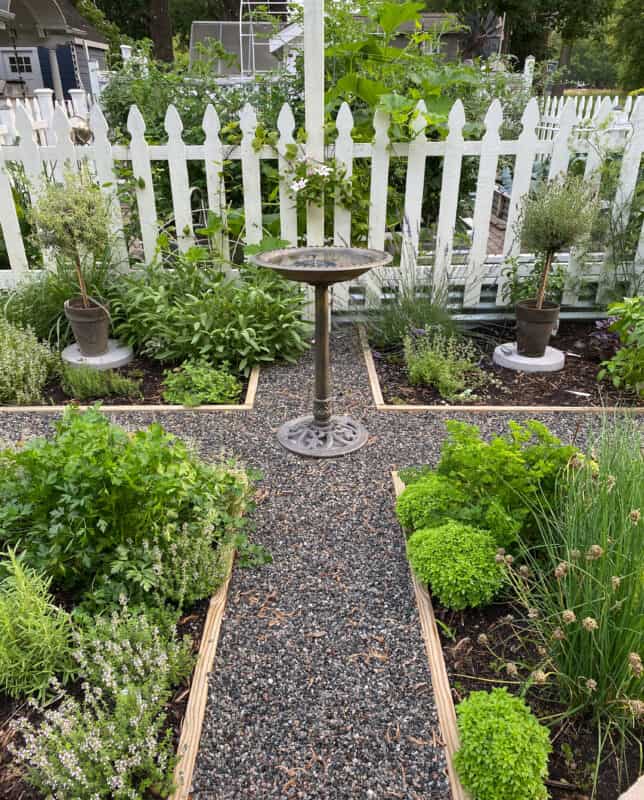
When I’m planning my vegetable garden this year, I’m cutting way back on the number of tomato plants I have. I still have a pantry full of canned tomatoes.
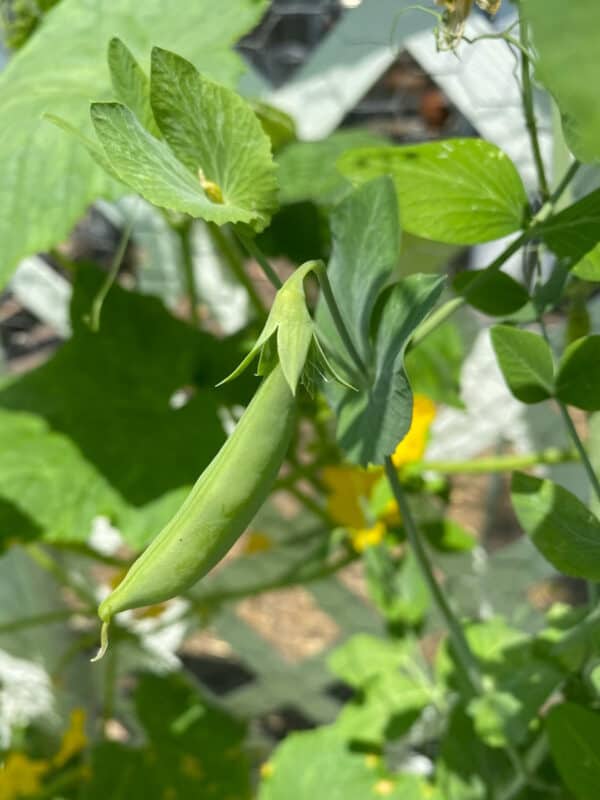
I want to add some fun things to get my grandson interested in gardening. Mini watermelon, peas, mini cucumbers, and some mini pumpkins are on my list.
Planning is where these decisions feel exciting instead of overwhelming.
Flower Garden Planning: Structure, Color & Seasonal Flow
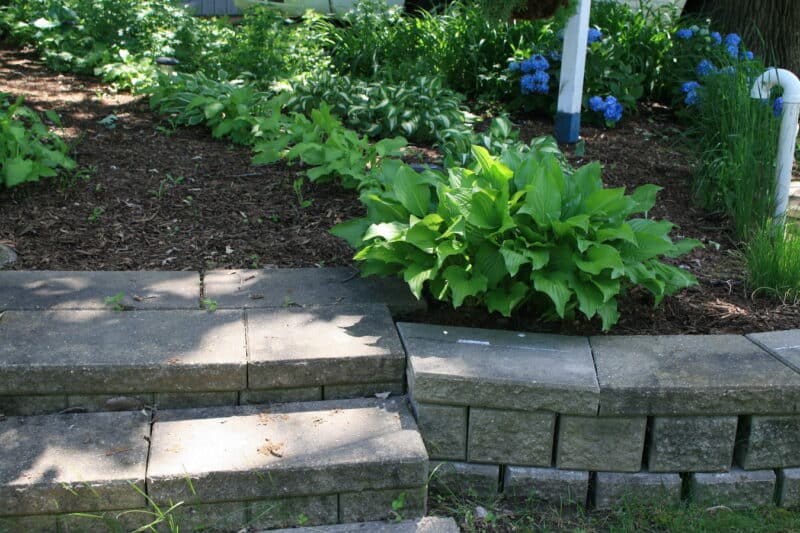
My perennial beds are well established, but they are never static.
Each fall, I make notes in my garden journal about:
- Plants that need to be dividing
- Plants that need to be moved into more sun
- Spots where plants struggled — reevaluate plants or soil condition
Spring and early fall are the best times to move or divide perennials, and planning ahead makes that work manageable.
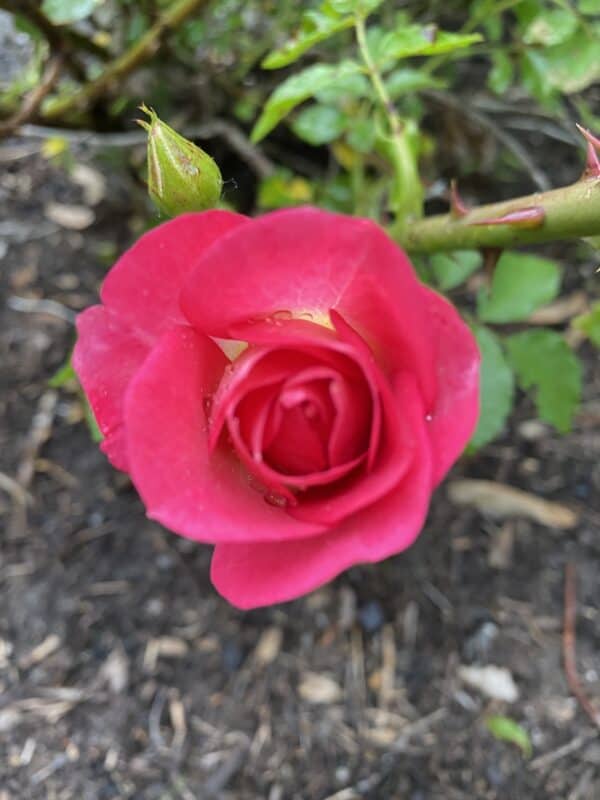
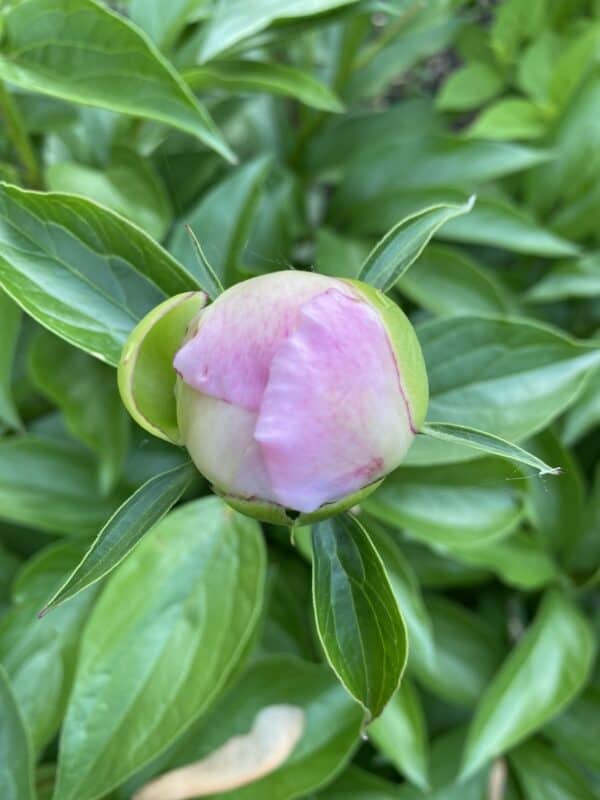
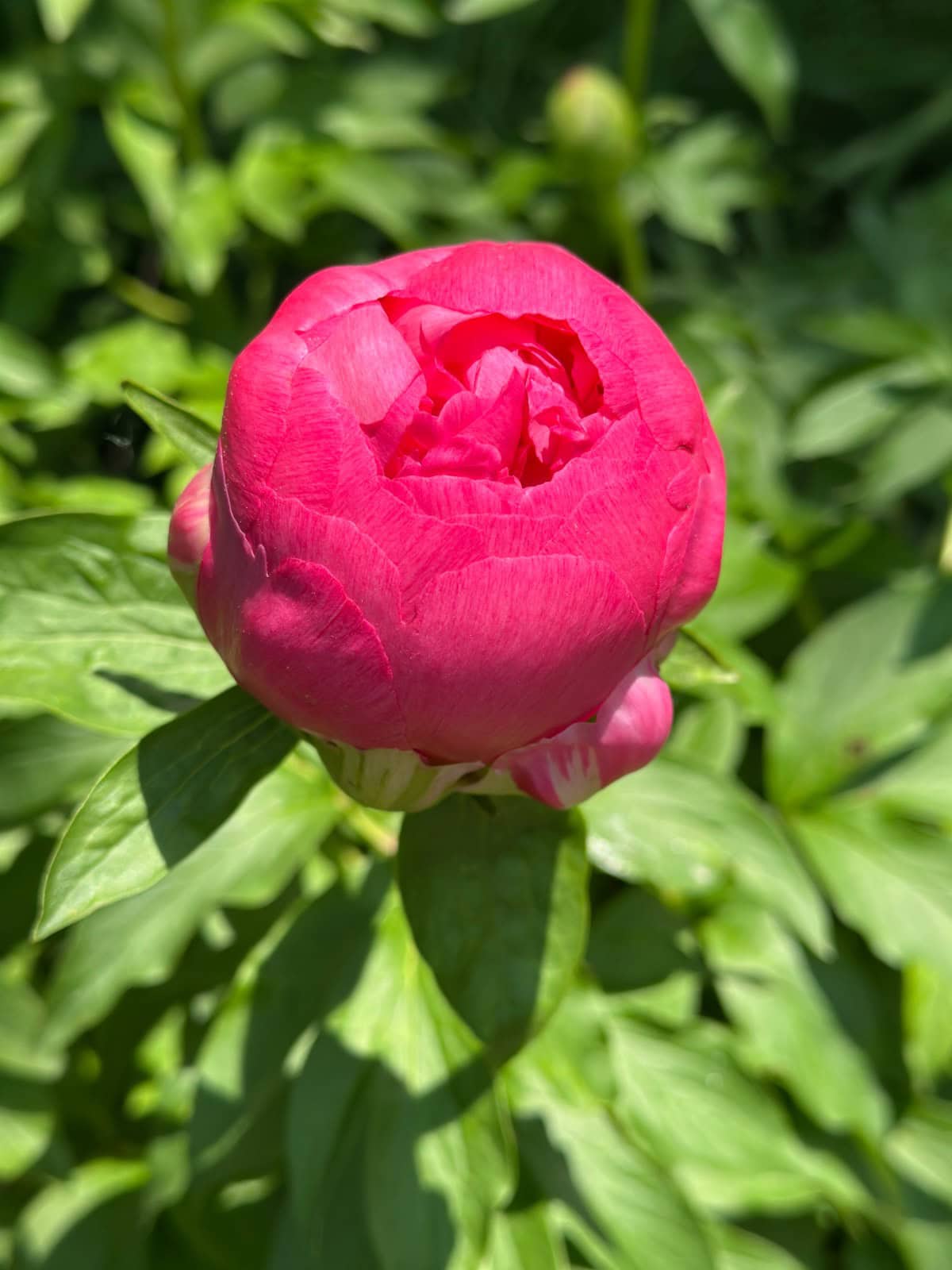
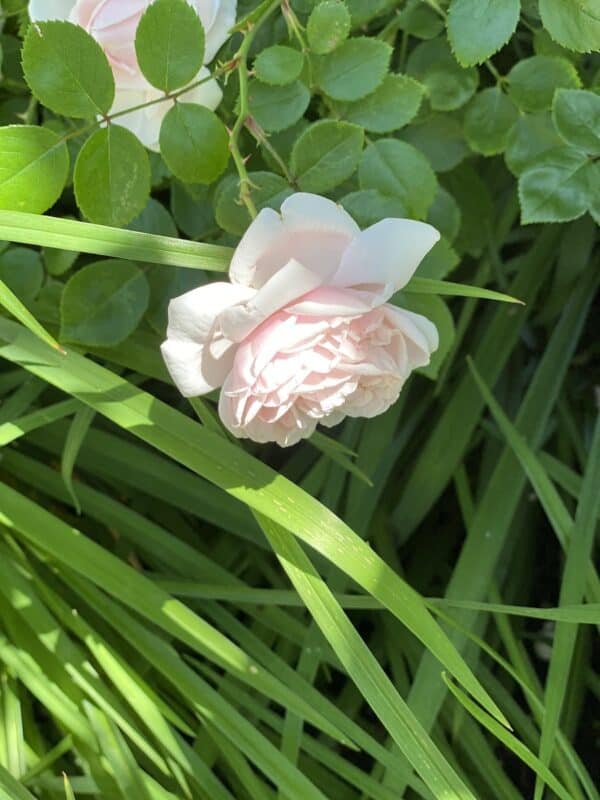
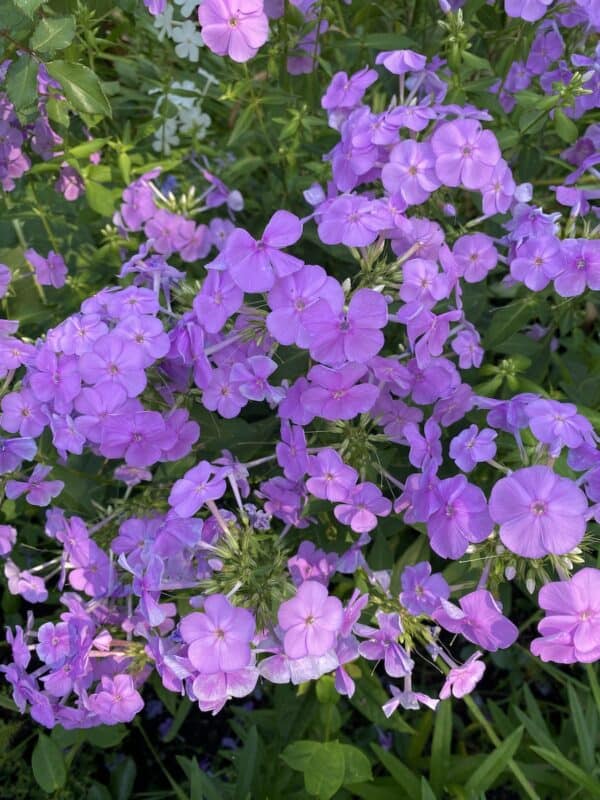
I’m a cluster planter, grouping plants in threes, sixes or nines, and I keep a consistent color palette. My colors are pinks, cranberry tones, and white, with touches of yellow and blue.
Annuals fill the gaps and keep the garden colorful from spring through frost.
Cutting Garden Planning: What Worked and What I’m Changing
I added a cutting garden about five years ago, and it’s one of my favorite changes. It’s in my vegetable garden, which is fenced to keep the deer from eating the blooms that I bring into the house and make beautiful arrangements.
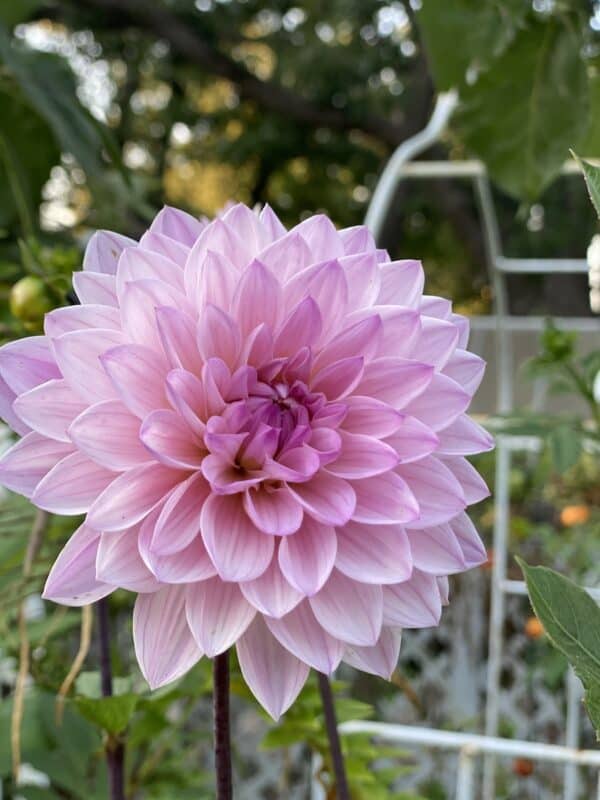
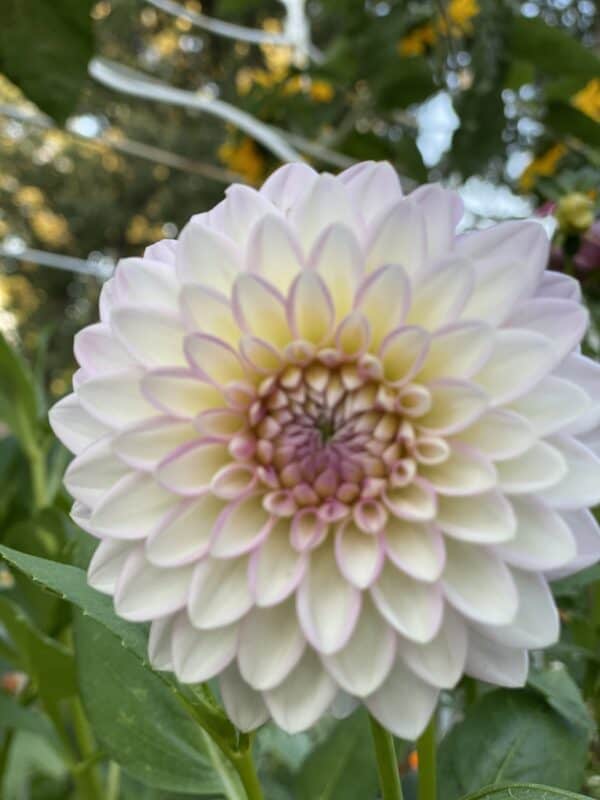
Every year I’ve switched up what I’ve planted in this space. This year, I’m going back to some of my most successful plants; snapdragon and dahlias. Zinnias will continue to be in the bed right outside the vegetable garden. I plan to add another bed of zinnias on the other side of the vegetable garden.
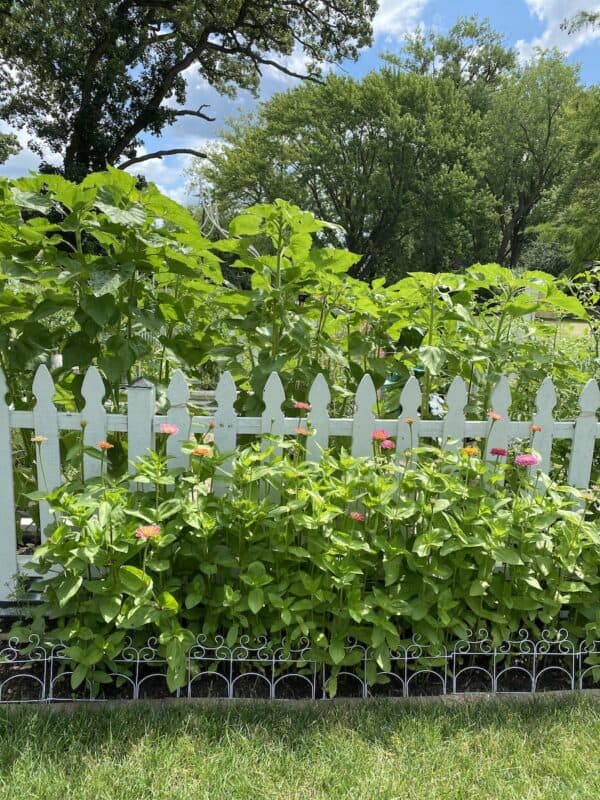
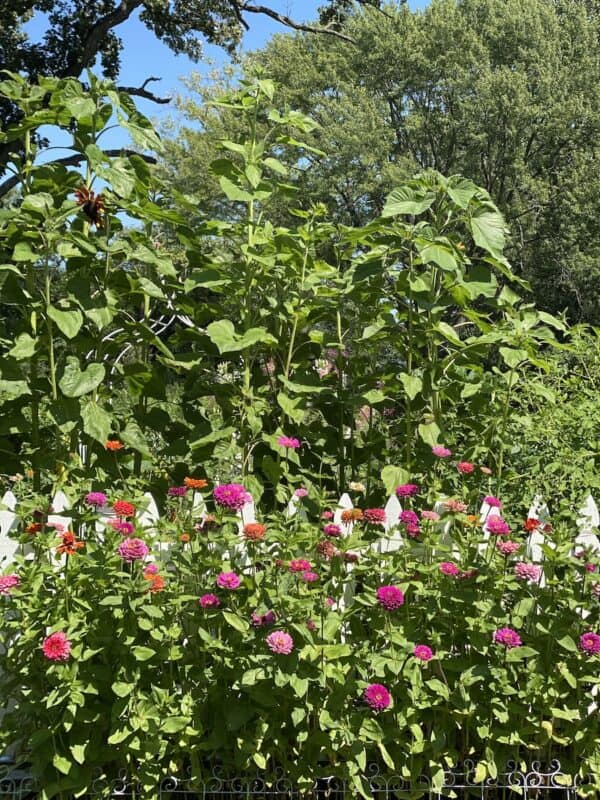
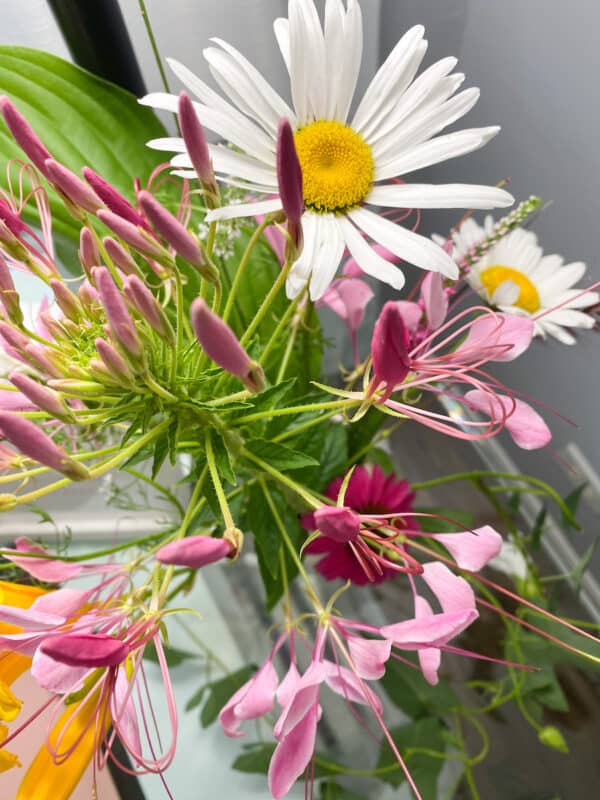
The biggest lesson I’ve learned from my cutting garden is that cleome and celosia reseed like everywhere. I’ve been pulling volunteers up for a few years.
Starting Plants from Seed Indoors (and Why Planning Matters)
Seed starting remains my gardening challenge. The reason it’s so challenging is:
- I don’t have a great space to put my seed racks
- I’m still learning what does will from seed
What I’m Doing Differently This Year
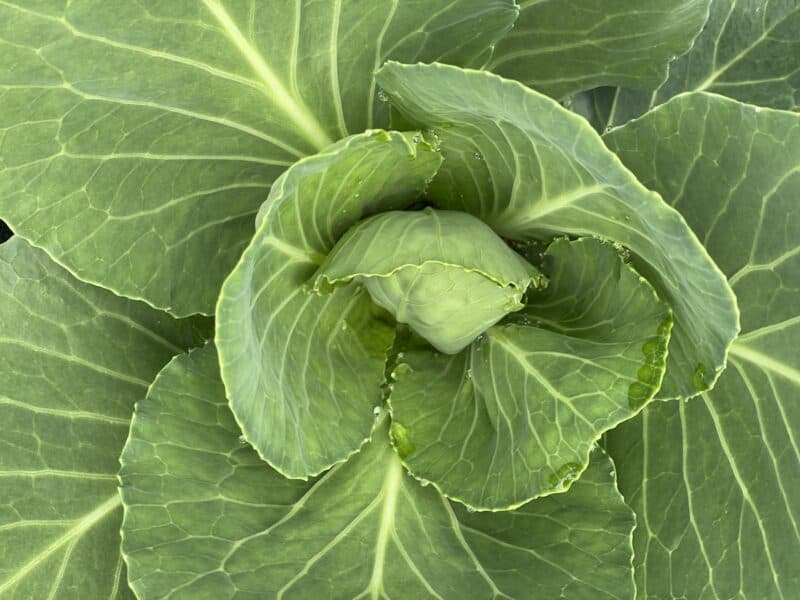
I’m going to start my seeds in the new greenhouse. I don’t know how it’s going to work because it’s not as warm as our home.
Fingers crossed it works because this will be a game-changer for my gardens. The cost of annuals adds up quickly, and seed starting opens the door to varieties you can’t always find locally.
I’m having fun picking out different types of seeds to try this year.

Gardening
If you want to be happy for a lifetime, plant a garden!
Soil Testing, Extension Programs & Smarter Garden Planning
I mentioned that I’m prioritizing soil testing this year.
Our local extension program offers valuable resources, including soil analysis, which can guide how we amend beds across different parts of the yard.
A Very Exciting Garden Update
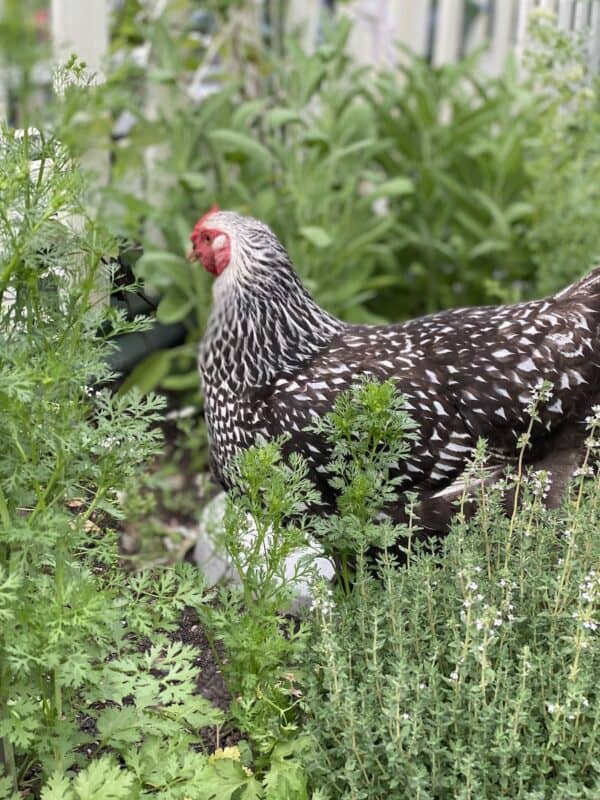
This year we are starting our fourth flock of chickens. We will get them at one-two days old and they will live in our house until they are ready to go out into the coop.
Choosing which type of baby chicks to get is another thing that I will plan out this winter. If you want to find out about how I decide the breeds and how we care for them, you can find that HERE.
Final Thoughts: Planning a Garden That Grows With You
The best gardens aren’t built all at once. They grow slowly, season by season, right alongside the people tending them. Thoughtful planning isn’t about chasing perfection or copying someone else’s layout. It’s about paying attention to what works in your space, honoring your time and energy, and allowing room for change as life shifts.
A garden that grows with you leaves space for learning. Some years you’ll add new beds or try ambitious plantings; other years you may simplify, scale back, or focus on what brings the most joy. Both seasons matter. When your plans are flexible, your garden becomes less of a checklist and more of a companion – one that adapts, forgives, and rewards steady care.
Whether you’re dreaming over seed catalogs in winter or adjusting plans mid-summer, remember the progress in the garden doesn’t have to be fast to be meaningful. Small changes, made thoughtfully, guild a space that feels welcoming, manageable, and deeply personal and one that continues to grow with you for years to come.
Peace and Love,

A great way to save this idea is to add it to one of your Pinterest boards. You can find the pin button on the top left of the photo when you click on it. Also, don’t forget to follow me on Pinterest


Meet Me
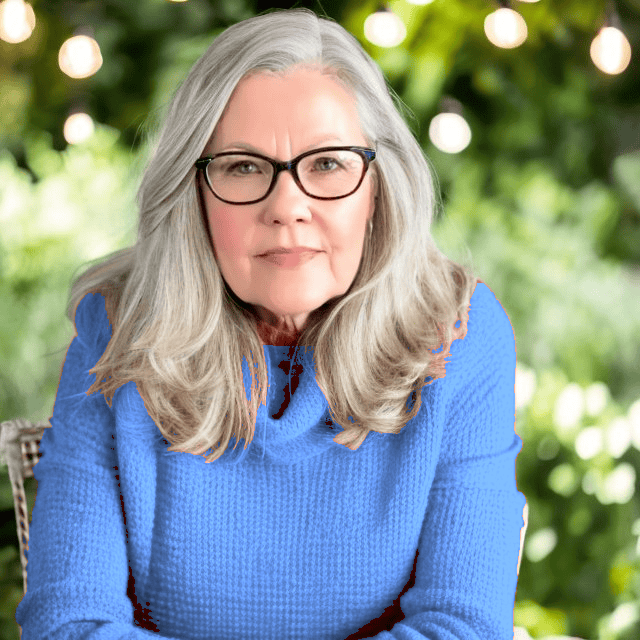
My name is Lynn. I live in the suburbs of Chicago in a 1,300 sq. ft. home with my Handy husband, Keith.
I’m an open book about my life on my blog. You can find out more about me by visiting my “About Me” page.













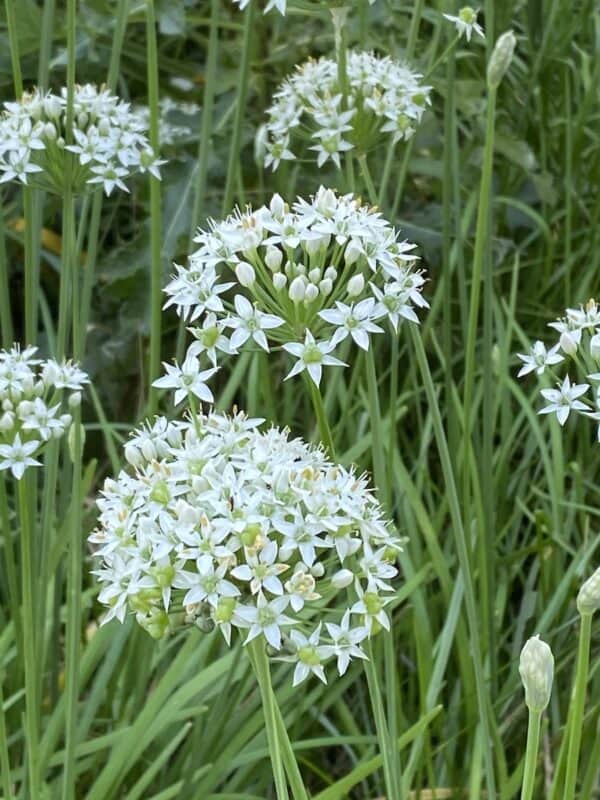
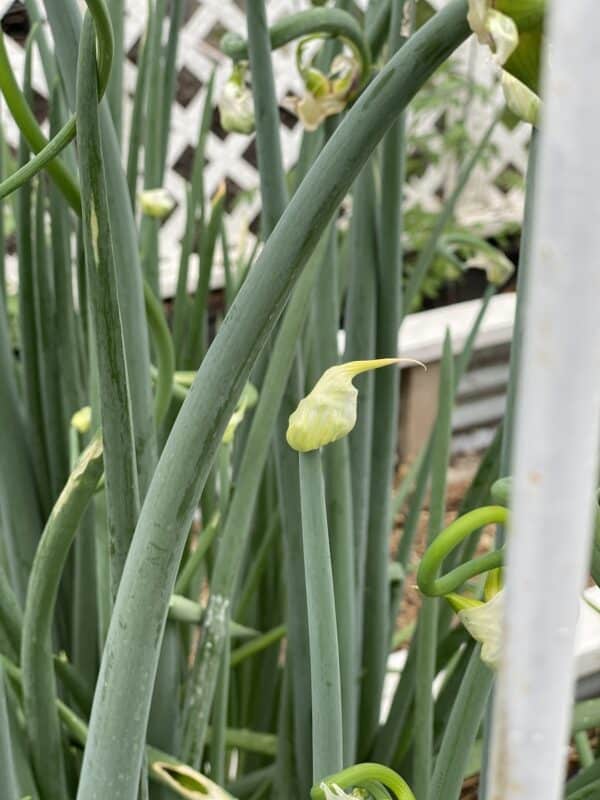
I love your garden Lynn! The pathways and all the different areas are very beautiful. It feels very serene! I had no idea that wild garlic had such a pretty flower.
Thank you, Crystal – Who knew about the wild garlic? I didn’t plant it, I believe the birds must have brought it in. It flowers in the fall and it is pretty, however, it reseeds like crazy so I have to keep after it every year.
Lynn, I really enjoyed reading your post. It’s inspiring me to start dabbling a bit in gardening! Thanks for sharing!
You won’t regret it!
What a fabulous post Lynn! So informative and delightful to read.
Thank you my friend!
Lynn, Your gardens are so beautiful! I love gardening and work on adding to my yard every year. This post had so much great advice and garden inspiration. Beautiful. Pinned! I plan on mentioning in my upcoming Tuesday post, Tea Time Gossip. Have a great weekend!
Gardening is therapy for me!
Lynn, I am amazed at your gardens!!! I think “The Girls” are great!! Even if they are old, it’s so nice to have chickens to keep the bugs down and I’ve wanted to have chickens for a long time; Hubby is not interested. <3 I have the perfect spot for a chicken house next to the shed in the eternal shade! It's always cool there and muddy until late in the summer!
So happy to have shared your post at this past Wednesday's Share Your Style #377 for you!<3 Pinned a ton of photos (always do). <3
Happy Valentine's Day to you and your hubby,
Barb 🙂